More Accurate Cost-to-Complete Estimates
Update expected remaining costs as project work progresses. This gives project managers a clearer basis for estimating the final project cost.

Get better visibility into project costs, revenue, resources, and cash flow with the Dynamics 365 Project Forecasting Add-On. DHRP helps Australian and New Zealand organisations bring project budgets, actuals, resource capacity, and financial forecasts together, making it easier to identify variances and plan project performance.
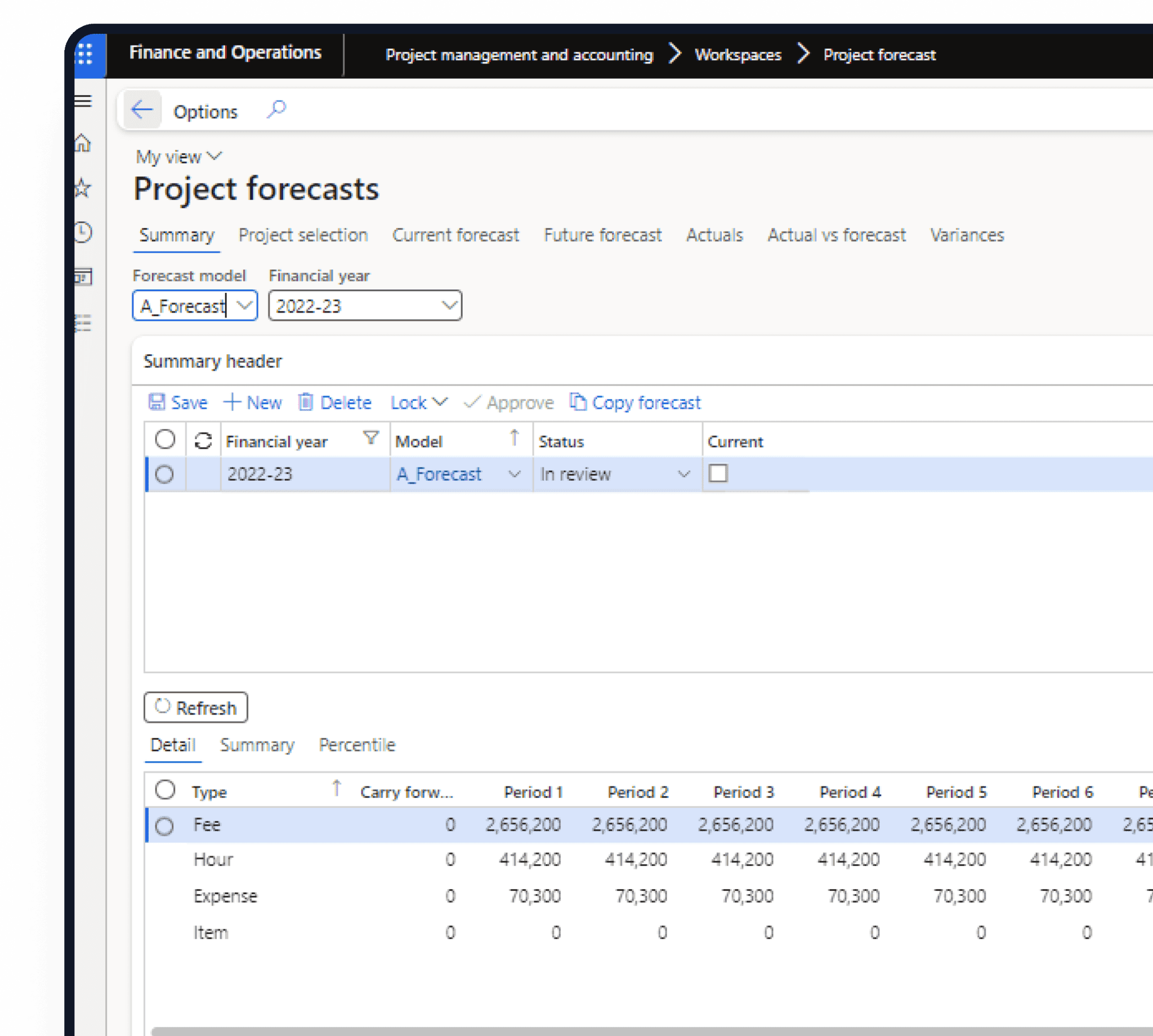






Dynamics 365 Solution
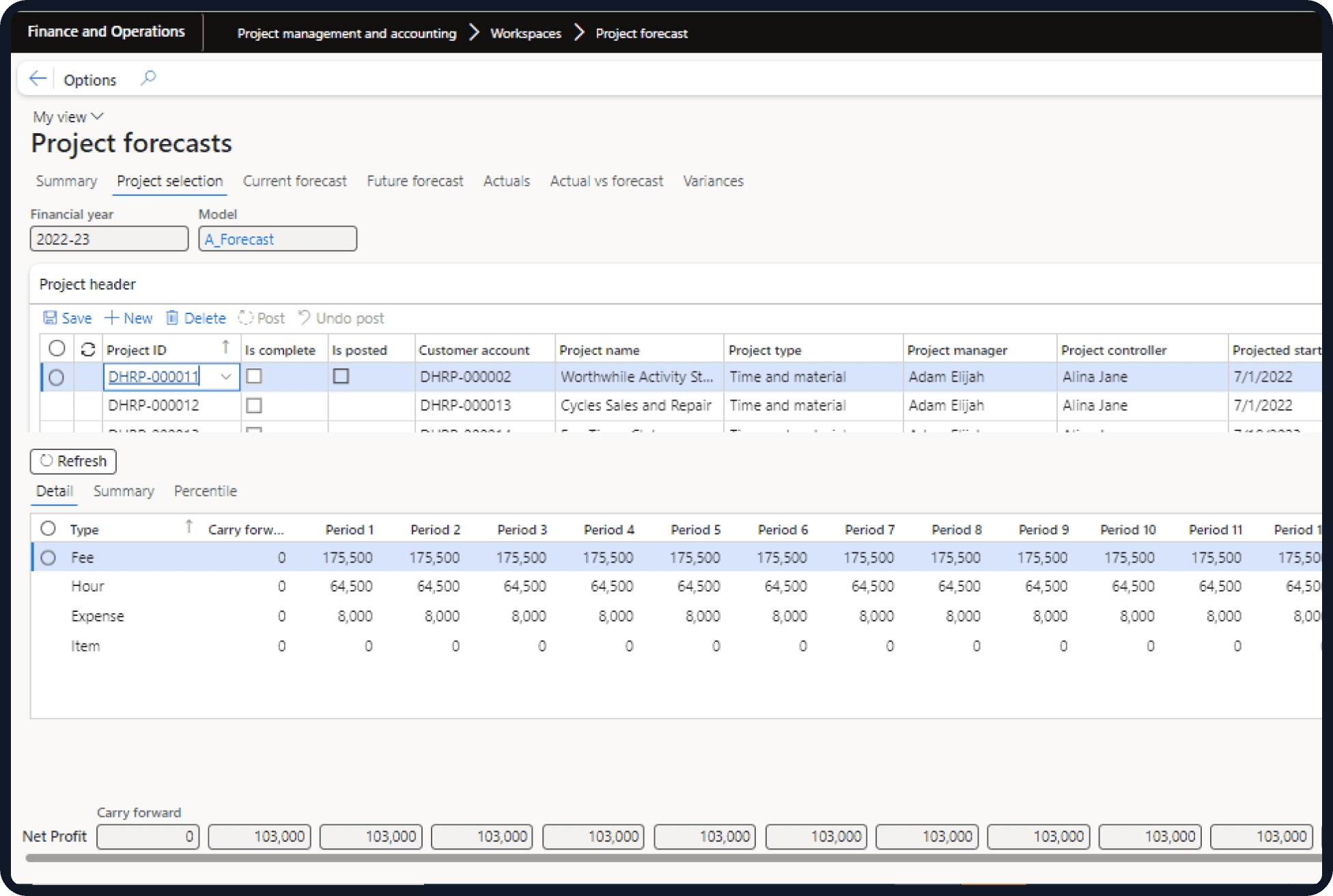
The D365 project forecasting add-on in Australia and New Zealand extends your Dynamics 365 environment with tools for tracking and forecasting project financial and operational performance. It brings budget information, actual costs, committed costs, project revenue, and resource data into a more structured forecasting process.
Project teams can compare planned figures against actual performance and update forecasts as project conditions change. This gives project managers and finance teams better visibility into expected costs, revenue, margins, and cash requirements throughout the project lifecycle.
For organisations running multiple projects, the add-on provides a consistent approach to forecasting across teams, projects, business units, and locations. It helps establish a common view of project financial performance while giving teams the information they need to review budgets, identify variances, and adjust forecasts.
Project financials can change quickly. Delayed timesheets, unplanned costs, changing resource requirements, scope changes, and late invoices can all affect the original project forecast. For organisations using Dynamics 365 project budgeting software in ANZ, common forecasting challenges include:
Enterprise project cost management with Dynamics 365 can provide a more structured approach to tracking budgets, actual costs, commitments, and forecast changes across multiple projects.
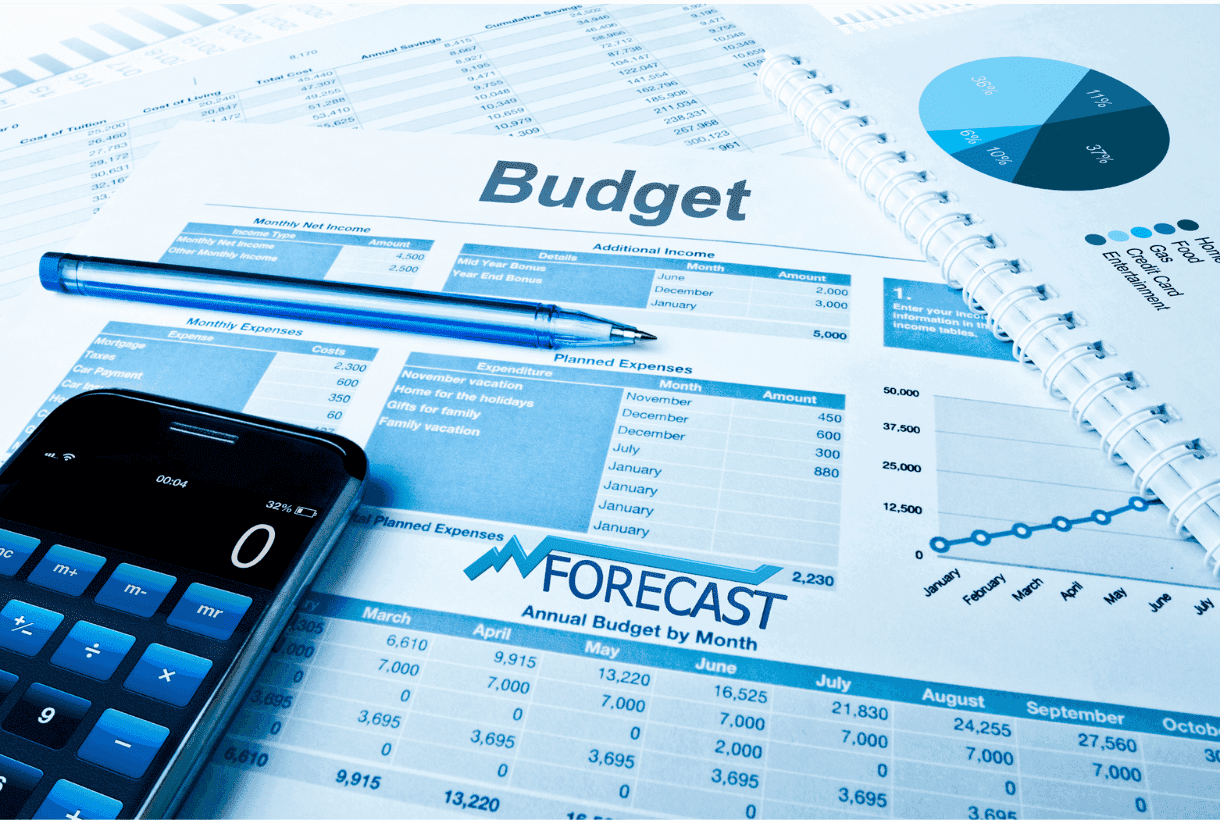
The add-on brings project financial and resource forecasting into a structured environment, giving teams a clearer view of where each project stands and where it is heading.
Create and maintain project budgets alongside actual project performance. Dynamics 365 project budgeting software ANZ capabilities can help teams compare planned costs with actual and forecast figures throughout the project lifecycle.
Track project costs and update expected expenditure as work progresses. The D365 project financial forecasting process can help identify cost movements and provide a clearer estimate of the final project position.
Forecast expected project cash requirements based on costs, revenue, billing activity, and project timing. Project cash flow forecasting Dynamics 365 Australia New Zealand can help finance teams understand upcoming funding requirements and potential cash flow pressure.
Compare project resource requirements with available capacity, skills, and planned allocation. Microsoft Project resource forecasting ANZ can help project teams identify resource gaps before they affect delivery schedules or project costs.
Track expected project revenue against planned billing and project progress. A Dynamics 365 revenue forecasting tool can give finance and project teams a clearer view of expected revenue and changes to the project outlook.
Compare budget, actual, committed, and forecast costs to identify significant deviations. Teams can investigate the reasons behind cost variances and adjust forecasts where project conditions have changed.
Bring financial indicators into project reviews to identify potential cost overruns, margin pressure, resource constraints, or other risks. D365 project risk and budget analysis can support earlier intervention when project performance starts moving away from plan.
Bring project financial and operational information together for management reporting. Teams can review project costs, revenue, margins, resource utilisation, and forecast changes across individual projects or broader portfolios.
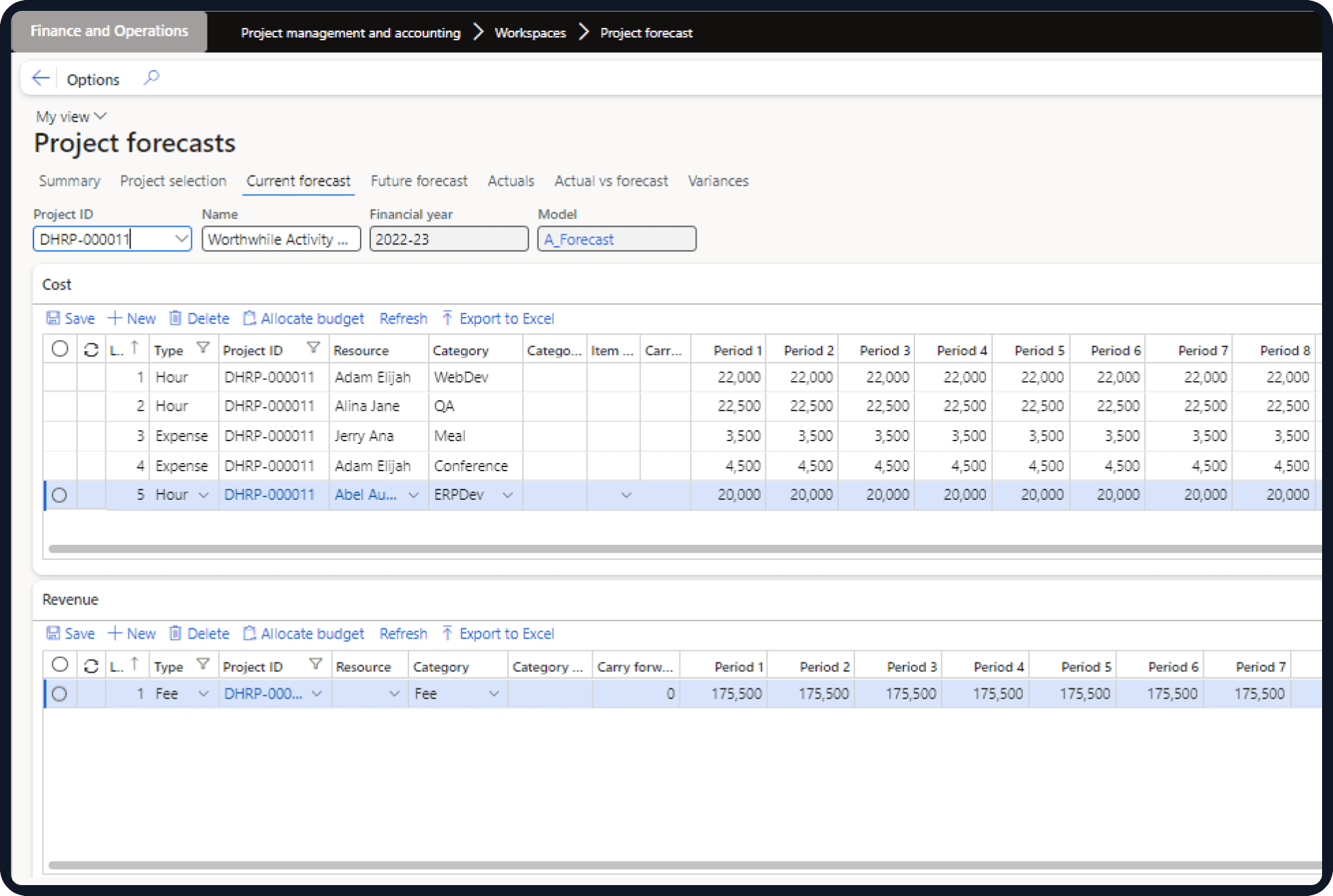
Project forecasting needs to reflect the way your organisation budgets, delivers, invoices, and reviews projects. Project structures, cost categories, resource rates, billing models, financial dimensions, and reporting requirements all need to be considered when configuring the solution.
DHRP can help organisations assess their current forecasting processes, define the required configuration, prepare project and financial data, and establish forecasting workflows. Integration with Dynamics 365 Project Operations, Finance, resource management, payroll, and other business systems can also be considered as part of the implementation.
For organisations replacing spreadsheet-based forecasting, implementation can provide an opportunity to standardise assumptions, reporting structures, and approval processes. This can make project forecasts easier to update and compare across teams.
Project financial performance can change well before the final project result becomes clear. Having access to current budget and cost information allows project managers and finance teams to respond earlier when performance starts moving away from plan.
The forecasting add-on can bring together planned budgets, actual costs, committed expenditure, expected costs, and project revenue. Teams can use this information to review budget position and update forecasts as project circumstances change.
Cash flow forecasting can also help organisations understand when major project costs are expected and how those costs relate to invoicing, milestones, and expected revenue. This provides a more useful financial view than looking at project expenditure alone.
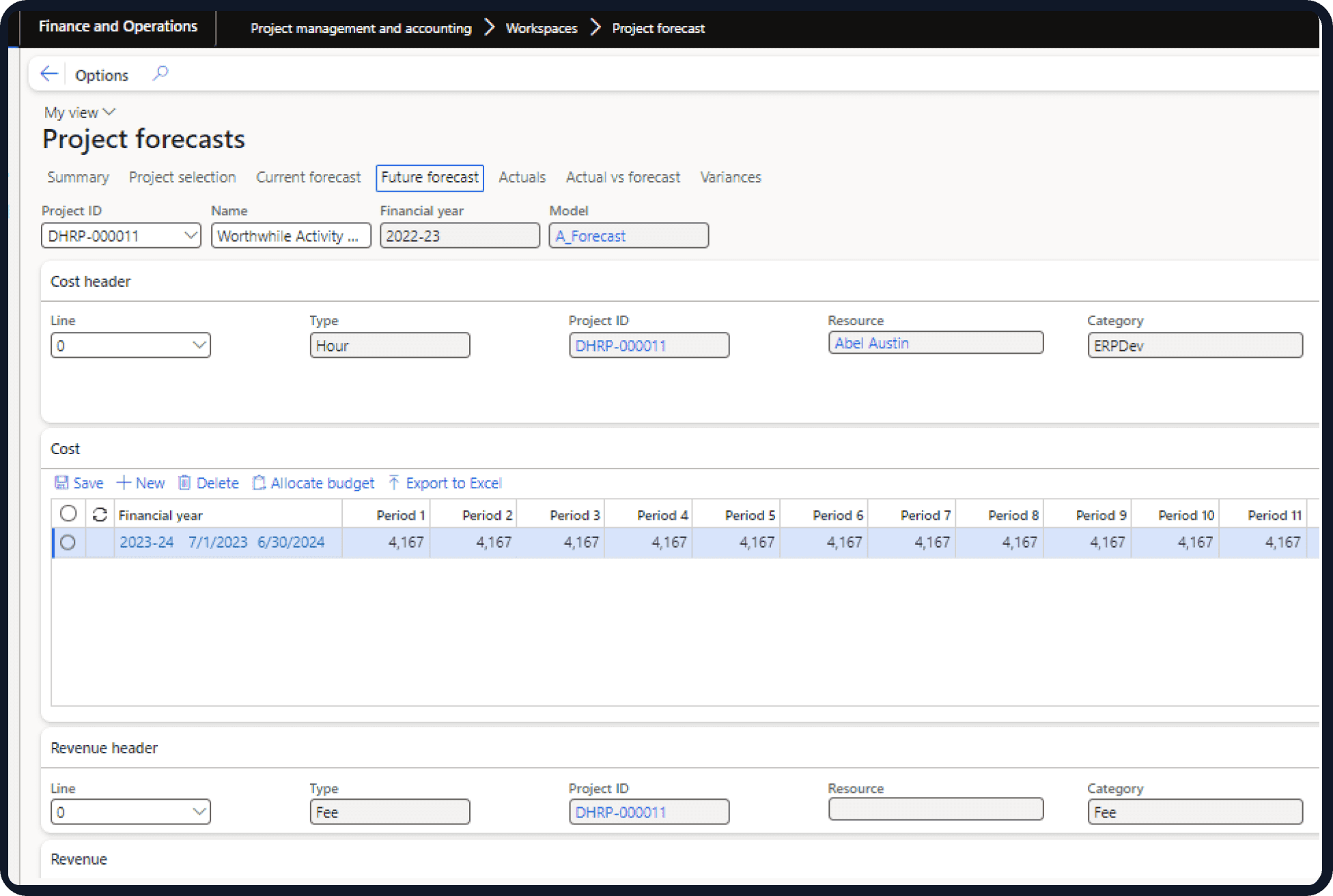
Dynamics 365 Solutions
A reliable forecast should help teams understand why performance is changing and what the likely financial outcome could be.
Update expected remaining costs as project work progresses. This gives project managers a clearer basis for estimating the final project cost.
Compare approved budgets with actual and forecast costs to identify where project spending is moving outside expectations.
Bring expected revenue and project costs together to give finance and project teams better visibility into forecast margins.
Compare planned resource requirements with actual allocation and available capacity. This can help identify under-utilised resources or potential resource shortages.
Monitor changes in costs, revenue, resource requirements, and project performance to identify potential risks before they become larger financial issues.
Apply common forecasting structures across projects and teams rather than relying on different spreadsheet models and assumptions.
Give project leaders and finance teams a more current view of project performance when reviewing budgets, resources, revenue, and expected outcomes.
Project forecasting is closely linked with the systems that record project delivery, employee time, purchasing, invoicing, and financial transactions.
Connect forecasting with project planning, project costs, resources, timesheets, and other information within Dynamics 365 Project Operations. This helps maintain a closer relationship between operational project activity and financial forecasts.
Project costs and financial information can connect with broader finance processes, giving finance teams a more complete view of project performance and expected financial outcomes.
Use relevant resource allocation, timesheet, and labour information when reviewing project costs and future resource requirements. This can improve the accuracy of labour cost forecasts.
Bring relevant purchasing and supplier cost information into the forecasting process. This can help project teams account for committed expenditure and expected external costs.
Connect project forecasting data with reporting and analytics tools to provide management with project-level and portfolio-level financial visibility.
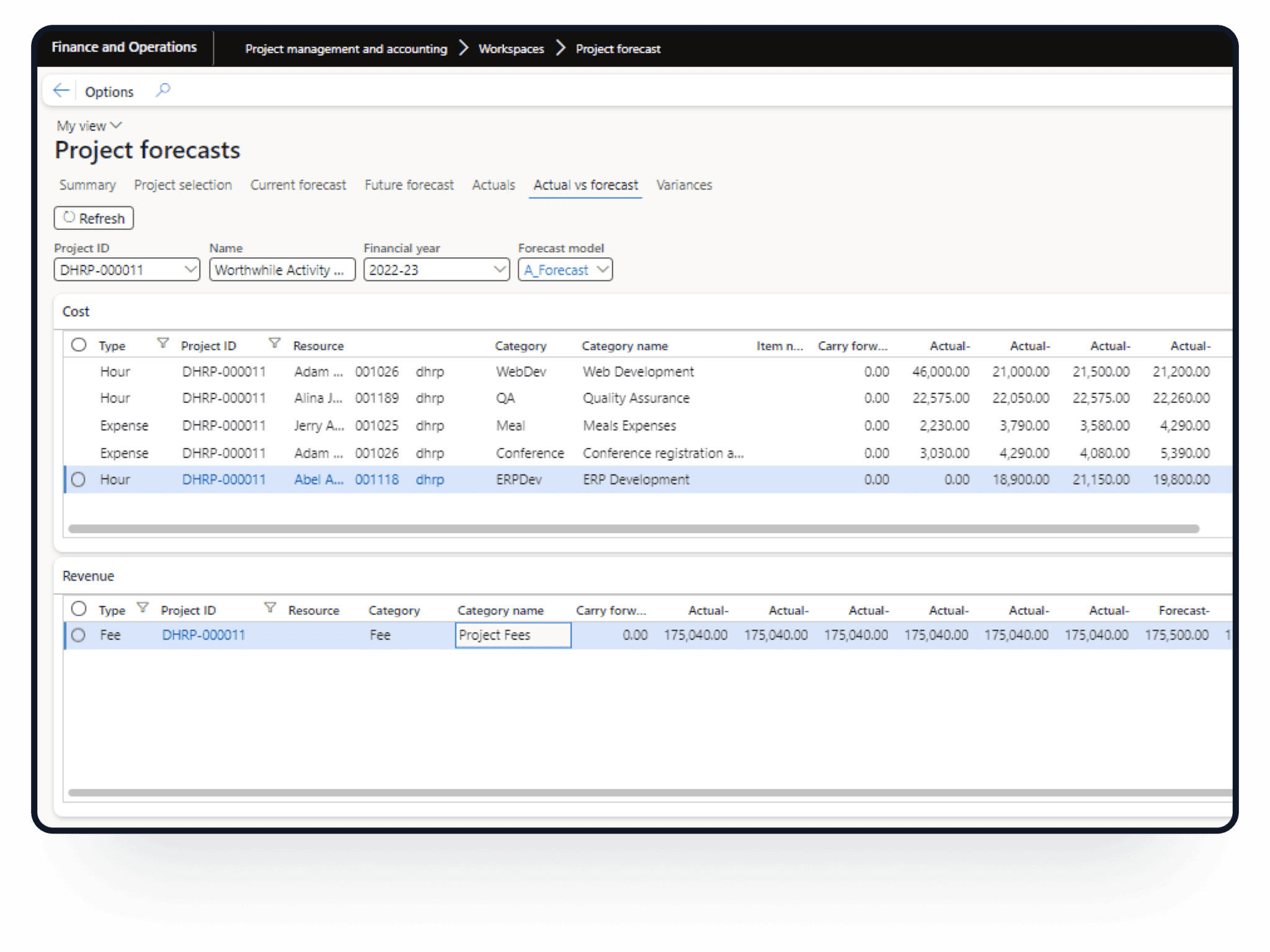
Large project organisations may have different delivery teams, cost structures, billing models, and reporting requirements. A consistent forecasting framework can make it easier to compare performance without removing the flexibility individual projects require.
An Enterprise project cost management D365 Australia New Zealand solution can provide a common approach to project budgeting, forecasting, cost tracking, and financial reporting across larger organisations.
Review financial forecasts across multiple projects, programmes, teams, or business units. This gives management a broader view of expected costs, revenue, and project performance.
Plan future resource requirements against available capacity and project demand. This can help organisations identify staffing pressures and potential utilisation issues before they affect project delivery.
Bring project-level forecasts together to support portfolio reviews. Management can compare expected financial performance and identify projects that require closer attention.
The value of project forecasting is not limited to financial reporting. Better forecasts can reduce manual consolidation, improve budget control, highlight risks earlier, and support more informed decisions about resources and project investment.
Dynamics 365 Add-Ons
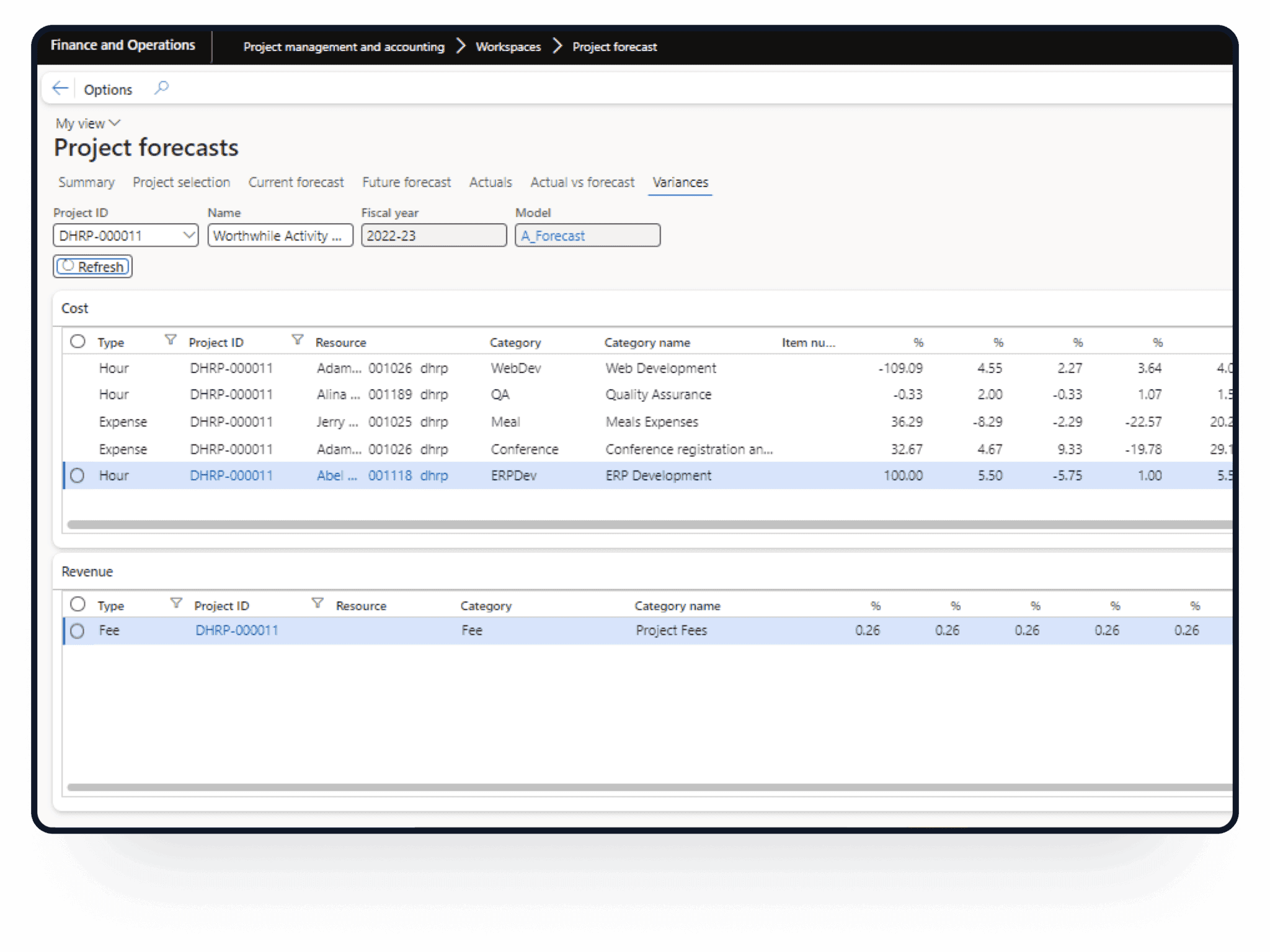
DHRP helps Australian and New Zealand organisations extend their Dynamics 365 environment with project and financial capabilities that fit their existing processes. Our approach considers project structures, finance requirements, resource management, reporting, and the systems already supporting project delivery.
As an experienced Dynamics 365 partner, DHRP can support organisations with:
For organisations looking for Project forecasting software in Melbourne, Sydney, or Auckland, DHRP can help extend Dynamics 365 with forecasting capabilities designed around the way your projects are planned, delivered, and financially managed.
A Dynamics 365 Project Forecasting Add-On extends the Dynamics 365 environment with capabilities for project budgeting, cost forecasting, revenue forecasting, resource planning, and financial analysis. It helps teams compare planned, actual, committed, and forecast figures throughout the project lifecycle.
Project forecasting gives teams a clearer view of budget position as project work progresses. By comparing actual and expected costs with the approved budget, project managers can identify variances and review potential cost overruns earlier.
Yes. Project cash flow forecasting can consider expected project costs, revenue, billing activity, and timing. This can help finance teams understand upcoming cash requirements and identify potential pressure caused by changes in project schedules or expenditure.
Resource forecasting can consider planned project requirements, resource availability, allocation, capacity, and expected utilisation. This gives project teams a clearer view of whether the right resources will be available as upcoming project work progresses.
The solution can help teams compare expected project revenue with planned billing and project progress. This provides a clearer view of forecast revenue and can highlight changes that may affect overall project margins.
Budget variance analysis allows project teams to compare approved budgets with actual, committed, and forecast costs. This can help identify where spending has moved away from plan and provide a basis for updating future cost estimates.
The forecasting environment can connect with relevant project information from Dynamics 365 Project Operations, including project activity, costs, resources, and timesheets. Integration requirements depend on the organisation's existing Dynamics 365 configuration.
The solution can support organisations managing multiple projects, teams, locations, and business units. Forecasting structures can be configured around project hierarchies, financial dimensions, reporting requirements, and organisational processes.
Implementation time depends on project complexity, data requirements, integrations, forecasting processes, and the existing Dynamics 365 environment. DHRP can establish a more accurate implementation timeline after reviewing the organisation's current project and financial processes.
| Sr | PROJECT FORECAST | D365 FO | DHRP’s Add-On |
|---|---|---|---|
| 1 | Multi-Model Project Forecast Creation by Financial Year | – | ✓ |
| 2 | Single and Multi-Project Forecasting Capability | – | ✓ |
| 3 | Short-Term and Long-Term Project Forecasting | – | ✓ |
| 4 | Forecast Replication Across Forecast Models | – | ✓ |
| 5 | Multi-Period Forecasting (Monthly, Quarterly) | – | ✓ |
| 6 | Period Locking for Approved Historical Data | – | ✓ |
| 7 | Project-Level Forecast Cost and Budget Planning | – | ✓ |
| 8 | Manual and Automated Project Budget Allocation | – | ✓ |
| 9 | Future Forecast and Carry-Forward Management | – | ✓ |
| 10 | Life-to-Date (LTD), Annual, and Future Totals Calculation | – | ✓ |
| 11 | Budget Total and Forecast Cumulative Totals | – | ✓ |
| 12 | Draft, Post, and Undo Post Forecast Control | – | ✓ |
| 13 | Actual vs Forecast Project Cost Comparison | – | ✓ |
| 14 | Percentage Variance Analysis and Risk Identification | – | ✓ |
| 15 | Detailed, Summary, and Percentile Forecast Views | – | ✓ |
| 16 | Project Financial Health Visibility and Insights | – | ✓ |
| 17 | Excel-Based Forecast Import and Export | – | ✓ |
| 18 | High-Volume Forecast Data Handling | – | ✓ |
| 19 | Role-Based Forecast Security and Access Control | – | ✓ |
| 20 | Project Manager, Controller, and Administrator Forecast Roles | – | ✓ |
We'd love to hear from you. Please fill out this form.